Introduction to Barium Hydroxide
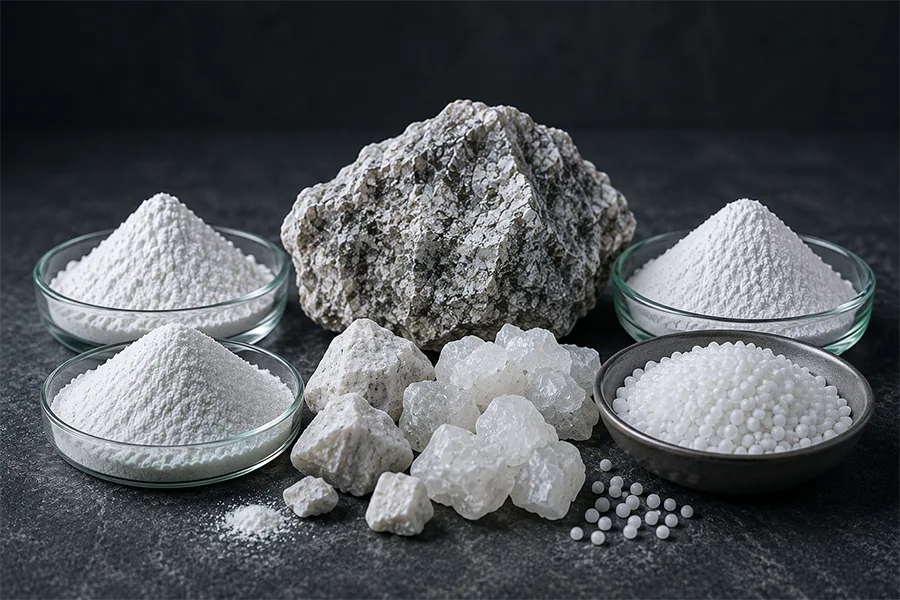
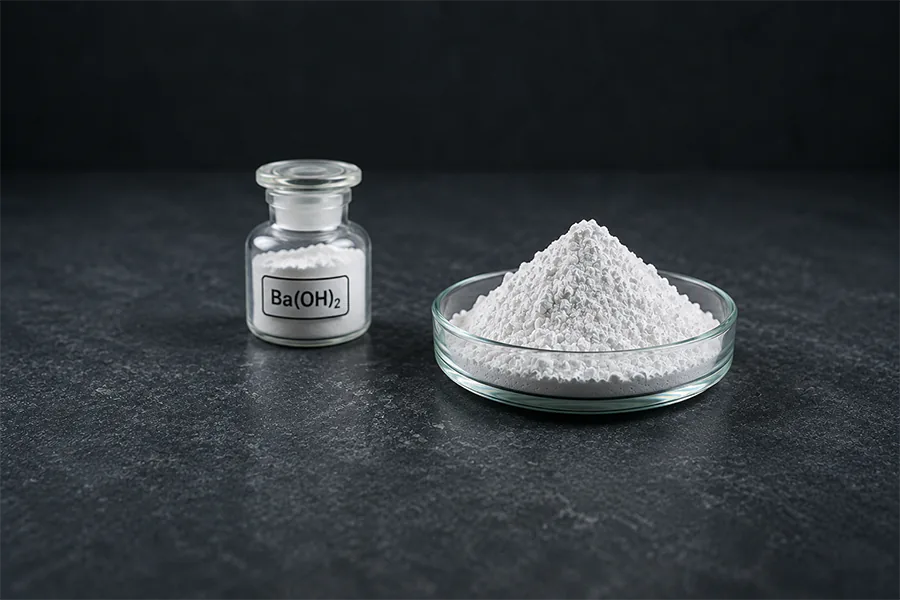
Barium hydroxide is an inorganic compound with the chemical formula Ba(OH)₂ that has attracted significant attention in recent years. It is widely recognized for its potential applications in promoting sustainable chemical processes. As an alkaline earth metal hydroxide, it is available in several forms, including anhydrous and hydrated grades, with barium hydroxide octahydrate being the most common commercial form.
The unique properties of this compound, such as its strong alkalinity and relatively low solubility in water, make it a valuable material for a wide range of industrial applications. Its ability to form insoluble salts with many anions has led to its extensive use in water treatment, particularly for the removal of sulfates and carbonates. This characteristic also makes it an important precursor in the production of other barium compounds and a valuable reagent in organic synthesis.
The unique properties of this compound, including its high alkalinity and low solubility in water, make it an attractive choice for a wide range of industrial processes. Barium hydroxide readily forms insoluble salts with many anions, leading to its extensive use in water treatment, particularly for the removal of sulfates and carbonates. This characteristic also makes it a valuable raw material for the production of other barium compounds and an important precursor in organic synthesis reactions.
Applications
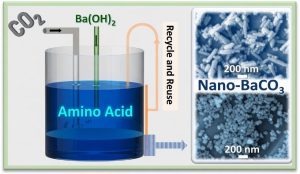
Barium hydroxide has shown significant potential in advancing sustainable chemical processes across several key industrial sectors. One of its most notable applications is in carbon capture and storage (CCS) technologies, where it reacts efficiently with carbon dioxide (CO₂) to form barium carbonate, a stable and insoluble compound. This property has led to extensive research into the use of barium hydroxide as a CO₂ scrubbing agent in industrial emission control systems, helping to reduce greenhouse gas emissions and support more sustainable manufacturing practices.
 |
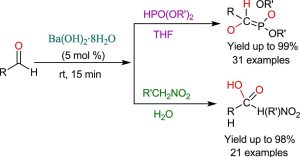
Another area where barium hydroxide has demonstrated significant potential is catalysis. Its strong basicity makes it an effective catalyst or catalyst support in a variety of organic reactions, including condensation and transesterification reactions. These applications are particularly important in the production of biodiesel and other renewable fuels, aligning with the growing global emphasis on sustainable energy sources.
 |
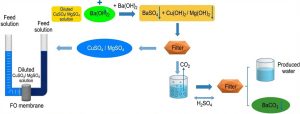
The role of this compound in waste treatment and recycling processes has also attracted considerable attention. Barium hydroxide can be used to precipitate heavy metals from industrial wastewater, making it an effective agent for wastewater treatment and the recovery of valuable materials. This application not only addresses environmental challenges but also supports the principles of the circular economy by enabling resource recovery and reuse.
In the wastewater treatment industry, barium hydroxide is recognized as an effective agent for removing sulfates and other contaminants from industrial effluents. Stringent environmental regulations implemented by governments worldwide have increased the demand for efficient water treatment solutions, consequently driving the growth of the barium hydroxide market. This application is particularly important in regions with extensive industrial activity and strict water quality standards.
Sustainability has become a key driver behind the growing demand for barium hydroxide in modern chemical processes. As industries strive to optimize production, reduce energy consumption, and minimize waste generation, the properties of barium hydroxide align well with these objectives. Its application as a catalyst and pH regulator in various chemical reactions has demonstrated significant potential for improving process efficiency while reducing environmental impact.
Use of Barium Hydroxide in Chemical Reactions
Barium hydroxide is widely used as a reagent or catalyst in a variety of chemical processes. It plays an important role in organic synthesis, inorganic reactions, and the production of other barium compounds.
Use in the Production of Specialty Chemicals and Advanced Materials
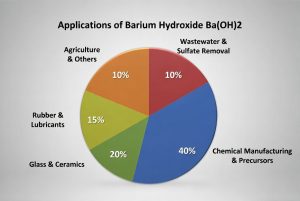
Barium hydroxide is an important raw material used in the manufacture of a wide range of specialty chemicals, including lubricants, plastics, and ceramics. It is also utilized in the production of certain types of glass and optical materials due to its valuable chemical properties.
Applications in Chemical Processes
Barium hydroxide is used in a variety of chemical processes, including as a reagent in organic synthesis, a pH regulator, and a catalyst in certain reactions. Its strong alkaline properties make it well suited for neutralization and precipitation reactions in industrial applications.
Incorporation into Specialty Materials and Coatings
Barium hydroxide is used in the production of specialty materials and coatings, including ceramics, glass, and protective films. This compound enhances material properties such as hardness, durability, and chemical resistance, making it a valuable ingredient in a wide range of industrial applications.
For complete specifications of Barium Hydroxide Octahydrate, please click the link below: